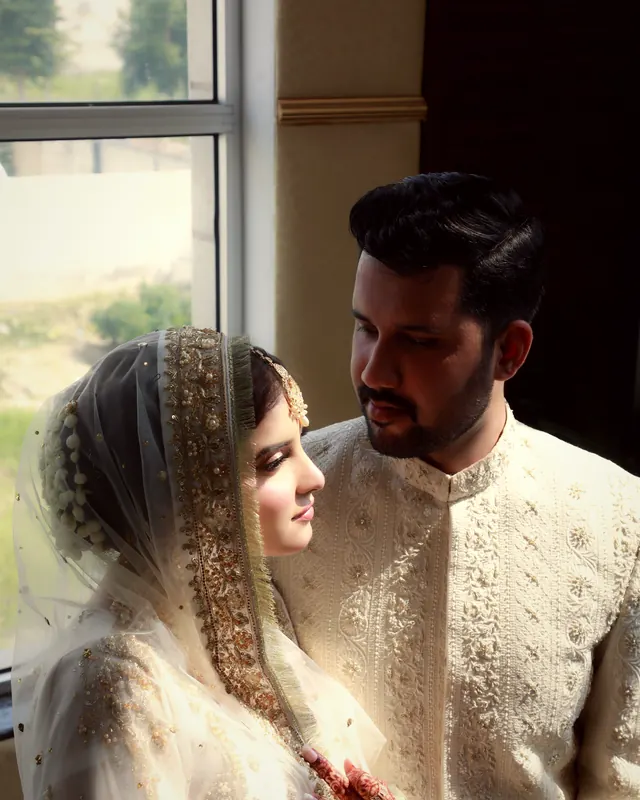
Once two families agree on a rishta, a handful of practical questions come up quickly. How much will the mehr be, and how will it be written? Who will sign what? What is the nikah nama, and what do all its columns mean? Many families have attended weddings all their lives and still feel unsure when it is their own. This guide explains how these things are commonly handled in Pakistan, in plain terms, so you can have the conversation calmly and early.
One thing first. This is not religious or legal advice. Practice varies by community, sect and family, and the law can change. Where your family has a question about what is required or permitted, ask a qualified scholar of your own tradition, and where it concerns your rights, a registered nikah, a dispute or a particular document, ask a qualified lawyer. We explain the common picture; they decide your case.
The short version
Agree the key points in the open before the nikah: the mehr and when it is payable, any conditions you want written into the nikah nama, who the witnesses and the person conducting the nikah will be, and who will register it and keep the documents. Read every column of the nikah nama before anyone signs. Ask questions, and cross out or fill in what does not apply instead of leaving blanks. Keep the original and copies safely.
This guide is mainly written with Muslim families in mind, because the nikah, mehr and nikah nama are part of a Muslim marriage. Christian, Hindu, Sikh and other Pakistani families have their own ceremonies and registration routes, and the questions at the end about writing things down and keeping documents apply to everyone.
What is a nikah?
In a Muslim marriage, the nikah is the marriage contract. It is commonly understood to involve the offer and acceptance by the two parties, the presence of witnesses, and a mehr. The person who conducts it, often a nikah khwan or an imam, leads the ceremony, and the marriage is recorded in a document, the nikah nama.
It is a contract between two adults, and in Pakistani practice it is separate from the wedding celebrations, such as the mehndi, barat and walima, which are customs and can be large or small. Many people are surprised to learn how simple a nikah can be. How the families celebrate is their choice. For anything about what the nikah requires in your tradition, ask a qualified scholar.
What is mehr?
Mehr (also spelled mahr) is a sum of money or property that the husband gives or commits to give the wife on marriage. In common Pakistani understanding it belongs to the wife. It is not a payment to her family and it is not the same as dowry (jahez) or wedding expenses, which are separate and, in many families, a source of pressure that is worth openly discussing.
Practical points families commonly talk about:
- How the amount is decided. Families often discuss it openly, and it is meant to be agreed by the two sides with the bride's consent. We will not suggest an amount. It depends on the families, their means and their traditions, and on what a scholar advises for your community.
- Prompt and deferred mehr. Many families divide mehr into a part payable at once (often called muajjal) and a part payable later, on demand or on a set event (often called ghair muajjal or muwajjal, depending on usage). Some families agree the whole amount at the time of the nikah. Ask what each term means in your family's usage, and write it clearly.
- How it is paid. Cash, gold, property, or a combination. If it is not cash, describe it so it can be identified later, for example the weight of the gold or the plot's details.
- When it becomes due. If the whole amount or part is deferred, say exactly when it may be demanded. "As agreed" is not a date.
- Who holds it. If gold or property is given, it is commonly understood to be the wife's own.
Whatever amount you agree, be honest about it and put it in writing. If you have questions about what the amount means in religious or legal terms, ask a qualified scholar or lawyer rather than relying on advice from relatives.
What is the nikah nama?
The nikah nama is the document that records the marriage. In Pakistan it is a printed form with numbered columns, commonly filled in by the nikah registrar or the person who conducts the nikah, and signed by the bride, the groom and the witnesses. It is also generally the document you will need later for official purposes, such as a CNIC update, a passport, a visa application or a name change.
The form is standardised to some extent, and the exact layout can vary, so check your own copy. In general terms, the columns record the following.
- Particulars of the parties. Names, parents' or guardians' names, ages and addresses of the bride and groom, and their marital status, for example whether either was previously married.
- Date and place of the nikah.
- Details of the mehr. The amount or description, and how much is prompt and how much deferred.
- Witnesses. Names, particulars and signatures of the witnesses, and often of the bride's wakil or representative where one is used.
- The person who conducted the nikah and the registrar. Their names and signatures.
- Conditions and special provisions. Columns where the families can note additional agreed terms, and, in many forms, questions about rights such as whether the husband has delegated to the wife any right regarding dissolution of the marriage, and what is agreed about maintenance and residence. Read these carefully; they can be significant.
- Previous marriage and its ending. Where a party was married before, details of the divorce, death or other ending, and any documents.
We are describing the general scheme, not the exact wording of the current form. Because forms and local practice differ, read each column on your own copy and ask the nikah registrar to explain any you do not understand. For the meaning and legal effect of a particular column, ask a lawyer who handles family law.
Do not leave columns blank
A common and avoidable problem is a nikah nama signed with columns left empty or filled in carelessly. If a column does not apply, it is usual to write so, such as "none" or a line, rather than leaving a space. If you and the other family agreed to a condition, such as where the couple will live, or something about the mehr, it should appear in the nikah nama in clear words. Anything agreed only by word of mouth can later be remembered differently by each side.
Likewise, check the spelling of every name, the dates, the CNIC numbers and the addresses against the original documents. Mistakes in a nikah nama can cause delays years later when you apply for a visa or passport, and they are much easier to fix before signing.
Registration: why it matters
In Pakistan, the Muslim Family Laws Ordinance 1961 requires a nikah to be registered. In general terms, the person who conducts the nikah is expected to ensure it is recorded and that the registration is made with the relevant local authority, and a copy of the nikah nama is given to the parties. The precise procedure, the office concerned and the penalties are matters of the law as it stands and may differ by province or area. We are not able to give you the details for your case. Ask the nikah registrar, your local union council or a lawyer.
Why this matters in practice:
- A registered nikah nama is the standard proof of marriage for official purposes.
- Families who plan to apply for spouse visas abroad should expect to produce it, and in some cases to have it attested, which takes time. See our guide to overseas Pakistani rishta and the Gulf guide.
- A marriage that is not registered can be difficult to prove if there is ever a dispute, an inheritance question or an immigration application.
- Registration protects both spouses, and in particular a wife who may later need to rely on the document.
Keep the original safe, make several certified copies, and store a scanned copy securely. If you lose it, ask the issuing authority how to get a replacement.
What to discuss before the date
- What is the mehr, how is it divided, how will it be paid and when is the deferred part due?
- Who will conduct the nikah and who will register it?
- Which witnesses and which wali or representative will take part?
- Are there any conditions to be included, and how will they be worded?
- Where will the couple live, and is this written anywhere?
- Who will fill in the nikah nama, who will check it and who will keep the original?
- If either family is overseas, which documents will need attestation or translation, and how long will that take?
- How will the wedding celebrations be paid for, and is anyone being pressured about jahez or gifts?
Having these conversations before the day is easier than in the middle of the ceremony. They are also a good test of how both families deal with practical and sensitive matters, which says a lot about the years ahead. For more prompts, see the questions to ask in a rishta meeting.
Second marriages, previous marriages and special cases
If either person has been married before, bring the documents that show how it ended, such as a divorce certificate or a death certificate, and make sure the nikah nama records them correctly. If a second marriage is being contemplated for a man who is already married, the law has its own requirements, and the family should consult a lawyer before anything is arranged.
How RishteDesk fits
RishteDesk helps Pakistani families of every faith meet and talk before they decide, and it does not conduct, register or advise on nikahs. We have no role in the mehr, the nikah nama or any legal paperwork, and we do not offer legal or religious advice. What we can do is give you a careful place to start: our team can suspend any profile that breaks the rules, a photo and a mobile number are required to submit a profile (the number is seen only by the RishteDesk team), photos stay private until you approve who sees them, and contact details are never shared in messages. A parent or wali can join the conversation, so the family is part of the process from the beginning; see involving your parents in an online rishta search.
Creating a profile is free. As a founding offer, Premium is free until 2,000 active profiles are live; see the pricing page for what is included and the prices in rupees that will apply later, with payment by bank transfer, JazzCash or Easypaisa and a receipt. RishteDesk is operated by ARBSBUY (SMC-PRIVATE) LIMITED. The how it works page explains each step.
Frequently asked questions
Is mehr the same as dowry?
No. In common Pakistani understanding, mehr is given by the husband to the wife and belongs to her. Dowry or jahez is a separate practice, often given by the bride's family. For what each means in your tradition, ask a qualified scholar.
How much should the mehr be?
There is no single amount we can suggest. Families agree it between themselves and with the bride's consent, in the light of their means and their scholar's advice. Whatever is agreed should be clear and written down.
Does a nikah have to be registered?
In Pakistan the Muslim Family Laws Ordinance 1961 requires a nikah to be registered. The details of the procedure are best confirmed with the nikah registrar, the local union council or a lawyer, as they can vary and change.
Can we add conditions to the nikah nama?
Many nikah nama forms include columns for additional conditions and special provisions. What can be included and what effect it has are legal questions, so ask a family-law lawyer before you finalise the wording.
What if there is a mistake on the nikah nama?
Check it carefully before signing. If you find a mistake afterwards, ask the registrar or the authority that issued it how to correct it, and take legal advice if the error is significant.
Is RishteDesk involved in the nikah or the paperwork?
No. RishteDesk is a private rishta service that helps families meet. The nikah, the mehr and the registration are for your families, your scholar and, where needed, your lawyer.
Start the conversation early
The best nikahs begin with families who have talked openly about the practical things first. When you are ready to look for a match, create a free profile, and our team can suspend any profile that breaks the rules.
Ce guide est une information générale destinée à aider les familles, et non un conseil juridique ou religieux. Pour toute question sur le droit, les visas ou votre foi, veuillez vous adresser à une personne qualifiée.